


The NOAA has officially announced the arrival of the 2026 El Niño, stating that we are to expect a prolonged period of above-average temperatures in the equatorial Pacific, with conditions expected to peak this winter.
Although El Niño is a weather pattern that occurs every few years, this year’s event is forecast to reach at least moderate, and possibly strong, intensity. But what exactly is El Niño, and how could it affect the food industry over the next 12 months?
What Is El Niño and Why Is It Important?
El Niño is one of the most influential climate patterns affecting global agriculture. Although it originates in the Pacific Ocean, its effects can be felt across the world’s major growing regions, altering rainfall, temperatures, and crop yields.
For food manufacturers, procurement teams, and NPD professionals, El Niño is more than a weather event. It can influence ingredient availability, pricing, and supply chain stability months before its effects are seen in the market.
What Causes El Niño?
El Niño is a naturally occurring climate pattern caused by the periodic warming of sea surface temperatures across the central and eastern tropical Pacific Ocean.
It forms part of a larger cycle known as ENSO (the El Niño–Southern Oscillation), which also includes La Niña (the cooling phase) and the neutral periods in between.
The Role of Trade Winds and Pacific Ocean Temperatures
Under normal conditions, strong east-to-west trade winds push warm water westward across the Pacific, allowing cooler water to rise to the surface off the coast of South America.
During El Niño, these trade winds weaken. Warm water spreads eastward instead, and the redistribution of heat in the ocean triggers a series of atmospheric changes that ripple across the globe.
This alters rainfall patterns, temperatures, and seasonal timing in regions far removed from the Pacific itself.
El Niño Intensity Levels Explained
El Niño events are classified by levels of intensity: weak, moderate, strong, or very strong.
How Often Do El Niño Events Occur?
They typically last between nine and twelve months, although some events can continue for longer. El Niño events recur every two to seven years, but no two events are identical in either strength or geographic impact.
How Does El Niño Affect Global Agriculture?
What Are Climate Teleconnections?
What makes El Niño particularly significant from an agricultural perspective is the global reach of its downstream effects.
El Niño doesn’t just affect the Pacific region. Through a process known as teleconnections, changes in Pacific Ocean temperatures can influence weather patterns around the world.
Which Regions Are Most Vulnerable to El Niño?
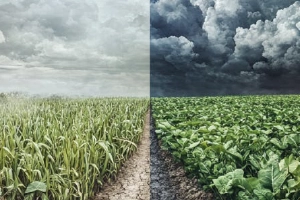
El Niño can contribute to drought conditions in South and Southeast Asia, flooding across parts of South America, reduced monsoon rainfall in southern Africa, and unusually warm conditions in parts of Europe and the Middle East.
The effects are real, documented and, in many cases, predictable. This is exactly why monitoring El Niño is central to how we manage supply risk at Brusco.
Why Does El Niño Matter to Food Manufacturers and Ingredient Buyers?
Agriculture is, at its core, a climate-dependent industry. Crops are grown according to seasonal rhythms, planting windows, rainfall requirements, temperature ranges and harvest timings that have developed over centuries of farming practice.
El Niño disrupts those rhythms and, when it does, the effects translate directly into yield losses, quality issues, price volatility and supply shortages.
How El Niño Impacts Crop Production
The impacts vary by region and crop, but some of the most consistent effects include:
Drought Stress in Key Growing Regions
In South and Southeast Asia, El Niño typically reduces monsoon rainfall. When water stress occurs during critical growth stages, both yield and crop quality can suffer.
Flooding and Excess Rainfall
In parts of South America, El Niño brings excess rainfall, which can lead to waterlogging, fungal disease and harvest disruption. Too much water at the wrong time can be just as damaging as too little.
Shortened Growing Seasons and Quality Losses
Unusually high temperatures or erratic frosts can compress growing windows, reducing the volume of produce that reaches harvest. Quality grading may also suffer, leaving a larger proportion of crops outside commercial specifications.
Long-Term Effects on Future Harvests
Perhaps the most underappreciated impact is the lag effect. If a growing season is damaged, the following year’s contracted volumes, forward pricing and planting decisions are also affected.
Recovery in agricultural supply chains is rarely immediate.
How Could El Niño Affect Ingredient Prices in 2026?
When crop yields decline or harvests are disrupted, ingredient markets often experience supply constraints and increased price volatility.
For manufacturers, this can create challenges around budgeting, procurement planning and product development. Categories heavily exposed to weather-related risks may see tighter availability and longer lead times, particularly if multiple producing regions are affected simultaneously.
As the 2026 El Niño develops, businesses should closely monitor ingredient markets where supply is concentrated in climate-sensitive growing regions.
Which of Your Categories Are Most Exposed?
El Niño’s impact isn’t uniform across our range, and the picture that emerges from our own category data is more mixed than a single “monsoon risk” story would suggest.
Highest exposure.
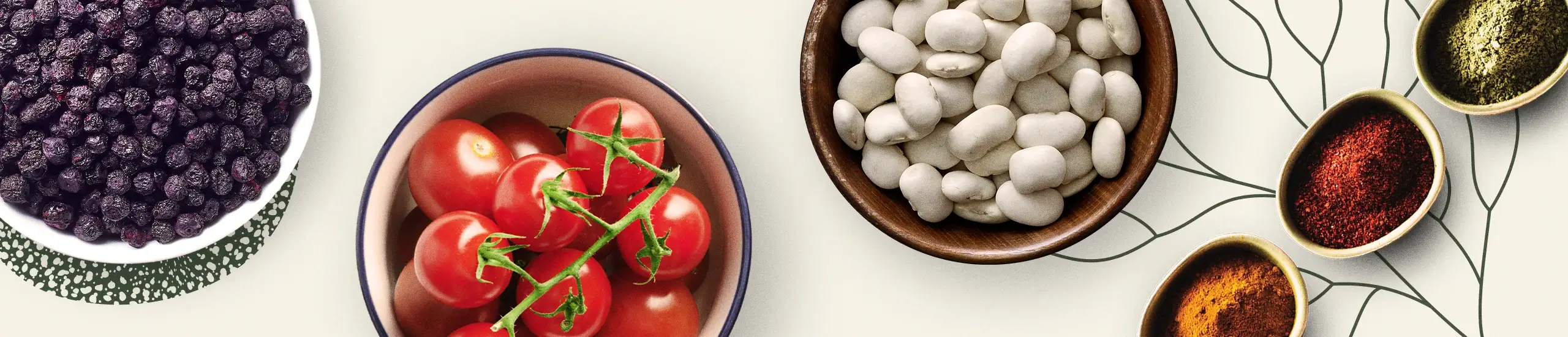
Tomatoes carry the broadest high-risk footprint in our range, flagged across Europe/China, Spain/Portugal, China, and South America — making it the category with the most geographic spread at the top of the scale. Vietnamese black pepper and Indian spices are also rated High Risk, consistent with monsoon-driven origins.
Medium exposure.
Chinese-origin IQF vegetables — including the onion and pepper lines specifically — sit at Medium risk, as do Southeast Asian coconuts. These aren’t flagged as immediate concerns, but they’re on the list to watch.
Lower or uncertain exposure.
Turkish and Egyptian herbs, Spanish ambient onions, and Chinese sweet ginger are all rated Low. China/garlic onions sit in a “possible risk” category, not dismissed, but not firm either. European IQF veg is currently TBC, meaning we don’t yet have a confident call to make.
The honest takeaway: the risk isn’t confined to Asia or to monsoon-fed crops, tomatoes are our single widest-spread high-risk line, spanning four separate origins. Treating any one region as the whole story would understate where the real exposure sits.
How Can Food Manufacturers Prepare for El Niño?
If you’re planning product development, securing volumes for the year ahead or reviewing your raw material strategy, El Niño should already be part of the conversation.
The opportunity to manage risk comes before supply gaps appear in the market—not after.
A few sensible steps to make sure you’re covered:
- Lock in forward cover on your most exposed lines earlier than usual, rather than buying spot into a rising market.
- Diversify origin where the spec allows, so you’re not reliant on a single climate-sensitive region.
- Hold a modest buffer stock on critical ingredients to absorb lead-time disruption.
- Review your 12-month volume plan now and stress-test it against a tighter-supply scenario.
- Talk to your supplier early about which categories they see hardening, so you’re planning with real intelligence rather than reacting.
At Brusco, we work to give our customers visibility before it becomes urgency.
That means sharing what we’re hearing from the market, advising on where to build cover and being honest when we see risk building in a category.
Currently, we are still so early into the cycle caused by El Niño, but we are already receiving feedback from our partners as to how they see their harvest and production playing out over the next 12 months. As that picture firms up, we’ll flag material risk directly to the customers we’re actively working with, through your account manager and our category updates. If you’d like to be kept in the loop on a particular category, let us know and we’ll add you to that update.
If you’d like to discuss your specific ingredient exposure or receive a more detailed briefing on any of the categories covered in this article, get in touch with your Brusco account manager or contact our team directly.