



Straight from our supply chain: the latest on how the 2026 El Niño event could affect the ingredients you buy from us, so you can plan and buy with confidence.
What Is El Niño?
El Niño is a recurring climate pattern that temporarily warms sea surface temperatures in the Pacific, and its effects ripple far beyond the ocean. Rainfall fails, droughts intensify, and growing conditions shift across the origins we source from. When it hits, it hits the ingredients on your specification list.
2026 Forecast
This is now tracking as one of the strongest El Niño events on record. As of 20 August 2026, forecasters put the chance of a very strong event above 90%, with a 69% chance that October to December 2026 alone exceeds every El Niño since 1950. The peak has also shifted later, to around January to March 2027, which pushes the period of concern for food supply into the second half of 2027. A second pattern, the positive Indian Ocean Dipole, is developing alongside this event and can strengthen, weaken or relocate the usual rainfall effects, particularly around the Indian Ocean and East Africa, so this year’s regional impacts may not follow the historical El Niño script exactly.
As harvests shrink and prices rise, the temptation to substitute origin, variety or grade increases, most often where a specification names a country, variety, species or certification (organic, Fairtrade, single-origin). We’re watching this closely across the categories in this guide, and we’ve flagged where the risk is clearest right now on the Coconut and Coriander pages.
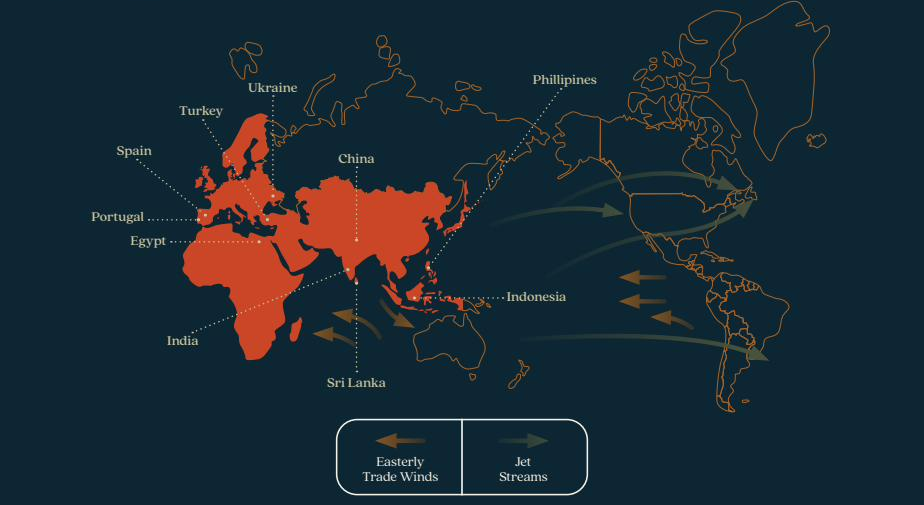
El Niño shifts the Pacific’s easterly trade winds and jet streams, changing rainfall and growing conditions across the origins we source from.
Rather than wait for issues to arise, we work with our supply chain and our customers to put contingency plans in place ahead of any disruption to supply and production.
Category Risk Overview
Tap any category below for the full breakdown: current conditions by origin, how this compares to 2023–24, and what it means for your buying decisions.
 Coconut Sri Lanka · Philippines · Indonesia MEDIUM
Harvests across all three origins are currently decent to very good, so this is a delayed-impact story rather than an immediate one. Farmers and processors are now forecasting a significant drop in Sri Lanka’s crop from Q2 2027, with major manufacturers expected to raise prices from late 2026 into early 2027 ahead of that.
Key Points
Sri Lanka
- There’s around a 62% chance of El Niño conditions (acute water stress and higher temperatures) emerging across June–August 2026 and persisting through at least the end of the year. Seasonal crops are highly exposed, with drought impact already being managed by the government; established coconut palms are more resilient.
- The tall variety can handle a dry season of up to three months; the Dwarf × Tall hybrid struggles beyond two months. Prolonged dry weather without rain still slows growth and reduces yield.
- Heat affects flowering rather than fruit already on the tree: flowers drop in the heat, meaning fewer fruits appear around a year later, so any impact from this year’s heat shows up as a smaller harvest in 2027, not immediately.
- Storms remain a shorter-term risk to collection and shipping, separate from the drought picture.
- Farmers and processors are now forecasting a major drop in the crop starting Q2 2027, in line with this delayed-impact pattern.
- Major Sri Lankan manufacturers are expected to raise prices from late 2026 into early 2027, ahead of the anticipated drop.
2023–24, for reference
- Production fell to around 2.75 billion nuts, the worst harvest in five years and roughly 8–10% down.
- Export industry still grew 22% in value, on higher prices and record volumes (800,000+ tonnes).
- Retail prices up ~63%, wholesale up ~36%, desiccated coconut export prices up ~30%.
Philippines
- El Niño has not yet hit the Philippines coconut market, but the consensus is that it will. We’re finding a number of suppliers reluctant to commit to Q1 2027 shipments and supply.
- A 92% probability has been put on moderate-to-strong El Niño impact on the Philippines in Q4 2026.
- Risk is particularly concentrated in central and northern Luzon, historically the most drought-prone regions.
2023–24, for reference
- Production dipped only slightly in 2023, but yield fell ~20% in 2024 as the drought caught up.
- Coconut oil output down ~12% to a four-year low; exports projected down ~21%.
- Government damage assessment: over ₱15 billion lost, 330,000+ tonnes affected.
Indonesia
- There are early signs that El Niño is building, and some issues are already being felt. Exporters are growing increasingly nervous about what the months ahead will bring.
- As Philippine and Indonesian coconut supply tightens, industry reporting flags a rising risk of coconut oil being diluted with palm kernel oil or other vegetable oils, and of virgin/refined or organic-status substitution.
2023–24, for reference
- Farm yields fell an estimated 15–20%; some farms ran at only a third of normal capacity.
- Local prices tripled in parts of the country; two processors laid off 3,500 workers combined.
- Desiccated coconut export prices up ~77%, the sharpest rise of the three origins.
What This Means For You
Current-season supply across all three origins is solid, but the outlook shifts from Q4 2026 into 2027. Prioritise securing Sri Lankan and Philippine cover ahead of the anticipated price rises, and open supplier conversations now: reluctance to commit to Q1 2027 shipments is already showing. Keep a watching brief on Indonesia as early signals build, and request up-to-date certificates of analysis from affected suppliers given the rising substitution risk.
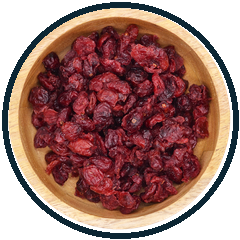 Dried Fruit Turkey · Chile LOW
Turkish dried fruit (raisins, sultanas and apricots) is having a normal season, with no El Niño impact seen so far and a record year expected for both size and quality. Chile now has an initial update: still too early to assess any impact, though nothing of concern so far and conditions are being watched closely. China’s freeze-dried strawberry and raspberry lines are covered separately under Freeze Dried Fruit.
Key Points
Turkey
- The 2026 crop is tracking normally; no significant El Niño impact has been seen, and none is expected for the rest of the season.
- This year’s apricot crop is estimated at around 90,000 tonnes, progressing well under good conditions.
- Barring a natural disaster, expect a record year for both crop size and quality across all products.
- Heat and drought stress ahead of harvest can raise the risk of aflatoxins in dried fruit, while poor drying conditions or humid storage add the risk of ochratoxin A: our partners’ usual mycotoxin testing stays in place through this year’s harvest and drying season.
2023–24, for reference
- Aegean dried-fruit yields (grapes, apricots, figs) were down 25–30%; dried-apricot export volume fell around 22.5%, with export prices climbing from around $4,600/tonne to a peak of $6,274/tonne.
- Raisins and sultanas saw a combined 30–35% impact on the crop, with prices up around 75% (this figure blends El Niño with other causes, not El Niño alone).
- Most of that damage actually came from a coincidental heatwave and the February 2023 earthquakes, not El Niño itself: worth remembering when comparing years.
- Separately, an April 2025 frost (unrelated to El Niño) cut that year’s apricot crop by around 74%, the dominant factor in 2025/26 supply and pricing rather than El Niño.
Chile
- Latest international climate forecasts point to El Niño strengthening through the second half of 2026, possibly continuing into 2027, with current outlooks indicating a strong event.
- It’s still too early to accurately assess the impact on Chilean agriculture: the actual effect on yield, quality and availability will depend on how the season develops.
- No specific concerns currently affecting supply programmes; weather developments are being monitored closely, with regular contact kept with producers and industry partners.
What This Means For You
Turkey needs no action right now: this is a good window to place forward orders at stable pricing. Nothing concrete to act on for Chile yet either, but we’ll keep monitoring as the season develops.
 Black Pepper Vietnam · Sri Lanka · Indonesia · Brazil MEDIUM
This is the clearest case this season of El Niño hitting one supplier while leaving the others unaffected. Vietnam’s crop is genuinely smaller this year; Sri Lanka, Indonesia and Brazil are all having stronger seasons. The net effect right now is prices easing globally, even though Vietnam itself remains tight.
Key Points
Vietnam
- Harvest is finished. Production is confirmed down 8–10% on last year due to poor growing-season weather.
- New flowers are forming for next season, and conditions have been good so far. This is an important stage to watch given ongoing uncertainty.
- Prices are down slightly month-to-month and around 8% below last year.
2023–24, for reference
- Production cut 10–20%, prices up ~50% in H1 2024, far sharper than today’s softening.
- Other three origins weren’t picking up the slack back then the way they are now.
Sri Lanka
- Harvest is under way, with the main “bold” pepper crop still to peak in August.
- Production is expected 10–15% higher than last year.
- Prices are down slightly, around 10% below last year.
Indonesia
- The new harvest is improving, with a better crop expected overall (10–15% up).
- Prices are down around 4% on last year.
Brazil
- Harvest is ongoing into September, with a bigger crop expected (10–15% up) and healthy stock levels.
- Brazil is currently the cheapest origin globally, and for the first time this year is trading below last year’s price level.
What This Means For You
If your pepper is Vietnam-origin, keep an eye on the flowering period over the coming weeks. Elsewhere, the current softening makes this a reasonable window for cover.
 Chilli, Capsicum & Paprika India HIGH
All three of these lines are tight right now: carryover stock from last season is well down across the board, and prices have already moved a long way. Good rain in late July has supported this year’s sowing, but it will be several weeks before we know how the new crop is shaping up. Material meeting EU pesticide standards is especially scarce.
Key Points
Chilli
India
- Concerns about El Niño are strengthening, and the next 6–7 weeks are seen as critical for crop establishment.
- Planted area is expected to rise by more than 20%, but the outlook depends heavily on the weather.
- Stocks carried over from last season are around 40% lower than a year ago.
- Prices for LCA 334 and high-colour chilli are already 80–90% higher than last year.
2023–24, for reference
- A patchy monsoon and low reservoir levels followed a similar pattern.
- Yields fell and prices rose gradually over months, not in one sudden shock.
Capsicum
- Harvest for the current crop is finished; sales are running on carryover stock, down 35–40% on last year.
- Prices are running around 65% above last year, though they have levelled off month-on-month.
- Sowing for the new season is going well, with the growing area up 30–35% in central India.
- Certified pesticide-compliant material remains limited, in line with the category as a whole.
Paprika
India
- Paprika is affected by the same below-normal rainfall impacting capsicum crops in the region.
- Reservoir levels were flagged as critically low last month, adding further pressure on water supply.
- Prices are around 90% above last year and have now levelled off at this elevated level.
What This Means For You
Cover near-term requirements across all three now rather than waiting for the new crop: stock is tight and prices have already moved.
 Coriander India · Eastern Europe HIGH
India’s coriander crop is the tightest story in this report: production is down sharply, stock is low, and prices have roughly doubled on last year. Eastern Europe is also short on carryover stock, but prices there have stayed flat, suggesting buyers are waiting for the upcoming harvest rather than bidding up scarce material.
Key Points
India
- India’s crop is down 15–20% due to both lower acreage and lower yields, creating a genuine supply deficit.
- Prices are currently running at roughly twice last year’s levels.
- Stock is expected to run out around January 2027, and the next crop isn’t ready until March/April 2027, a real gap in between: worth treating this window as a period to double-check origin documentation rather than relax it.
Eastern Europe
- Sowing is complete and the growing area is up slightly; the next harvest is due soon.
- No carryover stock from last year is keeping the market firm.
- Ongoing international conflicts are adding to shipping delays and costs.
- Prices are up around 40% on last year, but have stayed flat month-to-month.
What This Means For You
Cover near-term coriander requirements now rather than waiting for the next crop: stock is down and prices have already moved a long way.
 Cumin India LOW
The one settled category in this report. Carryover stock is above average, and prices have only just crept above last year’s level after months of trading below it. The one to watch isn’t this year’s crop but next year’s: fewer farmers are planning to grow cumin after a run of weak prices.
Key Points
India
- Stock levels are healthy, the best-supplied major spice in this report.
- Prices have turned around over the last three months and are now around 5% above last year.
- Planted area for next season is expected to fall 25–30% on weaker recent prices.
What This Means For You
No urgency here: a good window to plan ahead without rushing.
 Freeze Dried Fruit China (Strawberry · Raspberry) HIGH
Freeze-dried strawberry is the higher-risk line here: China’s main growing regions saw real production losses in the last El Niño event, and prices spiked sharply around Spring Festival. Freeze-dried raspberry is more resilient, with only indirect, inferred impacts and a more limited price effect. 2026 forecasts point to a repeat pattern: strawberry hit hardest, raspberry affected but manageable.
Key Points
China: Strawberry
- Main producing regions (Shaanxi, Shandong, Liaoning) face the same warm-winter, wet-summer pattern that caused problems last cycle: insufficient winter chilling delays flowering, and summer heavy rain and high heat drive disease outbreaks (root rot, anthracnose, grey mould).
- 2026 forecasts point to a 15–30% yield loss in main producing areas, with a 5–10% national decline.
- The price impact is expected to be sharper and faster than the yield loss: a 30–50% surge is forecast around the pre-Spring Festival period, with volatility continuing longer term.
- Mitigation under way: adjusting seedling regions to lower-risk areas, strengthening soil management, and more precise, targeted pest control.
2023–24, for reference
- Production down 10–30%; fruit-set rates cut 15–20%, missing the Spring Festival window.
- Open-field losses of 20–30% from summer heat and rain.
- Prices rose sharply during the core period, around 39% at peak.
China: Raspberry
- China-wide raspberry-specific data is more limited, so this assessment is based on related crops with a similar chilling and disease profile (such as blueberry), and is rated lower risk than strawberry.
- 2026 forecasts suggest a 10–20% yield loss in main producing areas, with southern regions expected to stay stable.
- Price increases of 10–20% are forecast, though much of this is expected to come from logistics and labour costs rather than El Niño directly.
- Mitigation under way: breeding more heat-tolerant varieties, greater use of greenhouse protection, and improved water and fertiliser regulation.
2023–24, for reference
- Fruit-set rates cut 10–15%; fresh fruit output down an estimated 5–10%.
- Fruit cracking up 20–30% from summer rain and heat.
- No large-scale crop failures recorded; price impact was limited.
What This Means For You
Prioritise cover on freeze-dried strawberry given the confirmed pattern of yield loss and sharp pre-Spring Festival price spikes. Freeze-dried raspberry cover can likely wait for firmer signals: the risk is real but smaller and slower-moving.
 Ginger India · China · Nigeria HIGH
India’s ginger crop is under real pressure: dry, compliant material is very scarce, and prices are up sharply. China’s ginger, by contrast, has never shown any sensitivity to El Niño and isn’t a concern this year. Brusco’s own stock for this season is due in September, which will help bridge the gap.
Key Points
India
- Key ginger-growing regions in South India have received below-normal monsoon rainfall.
- Stocks of dry ginger carried over from last season are below normal levels.
- Ginger prices are currently around 70% above last year.
China
- Harvested once a year, in September. Has never shown any sensitivity to El Niño, and none is expected this year.
Nigeria
- A better crop is expected this year, with a larger growing area.
- Prices have stayed flat, and the dry-weather risk we were previously watching hasn’t materialised so far.
What This Means For You
Brusco’s own ginger stock arrives in September at competitive prices, covering Q4 2026 into Q1 2027. Further guidance on India’s rain-damaged planting will follow once the picture is clearer, expected next month.
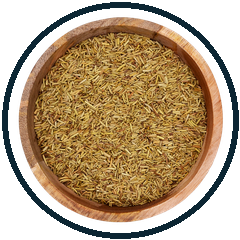 Rosemary Morocco LOW
Morocco’s rosemary harvest is under way and going well, with only modest price pressure carried over from thin stock last season.
Key Points
Morocco
- Harvest has started and is going well, with yield almost matching last year.
- No carryover stock from last season is keeping prices firm, around 12% above last year, though that gap has narrowed recently.
What This Means For You
No action needed here for now.
 Turmeric India MEDIUM
This year’s harvest and sowing are both complete, and carryover stock is tight. Rainfall has shifted in the wrong direction for two key growing states, adding real uncertainty to next year’s crop. Prices are already up on last year, and a clearer picture isn’t expected until mid-September.
Key Points
India
- Reports highlight that dry or below-average rainfall poses a risk to rhizome development.
- Planted area is up 20–25%, but continued dry weather could still reduce yields.
- Turmeric prices are up 23% year on year.
What This Means For You
Cover turmeric requirements through to the first quarter of next year (Q1 2027) to manage this uncertainty.
 Tomatoes Spain/Portugal · China · South America HIGH
China’s tomato crop has already taken confirmed damage this season, with yields down. Spain and Portugal remain stable for now, with plenty of water in reserve and no clear link to El Niño yet. South America’s harvest is already complete, so there’s no exposure left this year.
Key Points
China
- Strong El Niño conditions in June and July hit during flowering, fruit-setting and fruit-enlargement, disrupting the most critical stages of crop development.
- Government water-restriction policies led to shortages at key growth stages, further limiting crop development.
- The region was hit separately by two periods of heavy rainfall and a hailstorm during harvest, damaging crops.
Spain & Portugal
- Crop remains stable. Heat stress during flowering and storms late in harvest are the main factors being watched, not El Niño directly.
- The key Spanish supplier has enough water in reserve to cover the next six harvests, with no change reported since mid-July.
South America
- Harvest is already complete for this cycle, so there’s no further weather risk this season.
What This Means For You
Prioritise securing China-origin cover given the confirmed yield hit. Spain and Portugal can likely wait for firmer signals before acting.
 IQF Vegetables China MEDIUM
China’s frozen vegetable crop overall is rated medium risk, but that masks significant regional variation. Onions and peppers grown in Inner Mongolia and Gansu are the areas to watch most closely.
Key Points
China: General
- Heavy rain caused serious flooding through mid-July, with some crops wiped out completely.
- From August, the forecast turns to persistent heat and drought, especially affecting autumn planting.
China: Onions
- Yunnan’s harvest was already finished before this year’s El Niño took hold, so it’s unaffected.
- Central growing regions (Jiangsu, Henan, Shandong) are close to normal.
- Northeast China is expected to be down 10–20% on yield.
- Inner Mongolia and Gansu, the hardest hit, are expected to be down 15–25% (up to 30% in the worst areas).
- Expect tighter supply of storage-quality onions from October onwards.
China: Peppers
- Shanxi green peppers: yield expected down 10–15%, prices expected up 15–30%.
- Inner Mongolia red/yellow peppers: yield expected down 15–25%, prices expected up 25–40% (more for the best grades).
What This Means For You
Treat Inner Mongolia and Gansu-origin onions and peppers as the priority for any cover discussions within this category.
 Onions & Garlic Spain · China MEDIUM
Spanish ambient onions aren’t expected to be affected: El Niño is primarily a Pacific Ocean event, not one that reaches this region directly. China’s onion and garlic season has been delayed by heavy rain, and next year’s crop could be at risk if hot, dry weather continues.
Key Points
Spain (Ambient Onions)
- The supplier doesn’t expect any impact, given El Niño’s Pacific origin.
China
- Heavy rain has pushed the season back by at least a month.
- If high temperatures continue alongside low rainfall, the 2027 crop could be affected.
What This Means For You
No urgent action needed on Spain; keep an eye on China’s timing as the season develops.
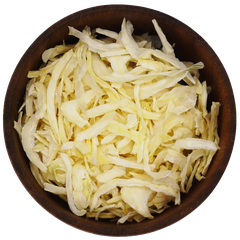 Dehydrated Onion India (Gujarat) MEDIUM
Dehydrated white onion relies heavily on India’s winter crop, and that crop is currently under some strain. The monsoon-season crop is unaffected. Rain so far has been decent but not quite enough for a bumper harvest, and a few key growing areas are seeing real shortfalls.
Key Points
India (Gujarat)
- Rainfall across India’s key onion-growing regions has been weaker and later than usual this year, with El Niño cited as a contributing factor.
- Some areas have received rain, but seasonal totals are still below normal. The monsoon isn’t over yet, so the outlook could still change.
- Current-season output is running around 35% below normal, but existing stock is expected to cover demand through to year-end.
- Unseasonal rain damaged the last crop, which is part of why availability is tight now.
- Planting for the new crop begins around mid-September, and its success depends largely on rainfall over the remainder of the monsoon.
What This Means For You
Worth watching closely through to mid-October, when the rain outlook and planting decisions should become clearer. If the rain falls short, growers switching away from onions could tighten dehydrated white onion supply next season.
Talk to the Team
Due to El Nino being so volatile, this information will be regularly updated to match what is happening in the market. If you’d like to talk through what any of this means for your business, get in touch and we’ll help you plan ahead.
Get In Touch or call +44 (0) 1386 761555 · info@brusco.co.uk